
QVIZ render studio
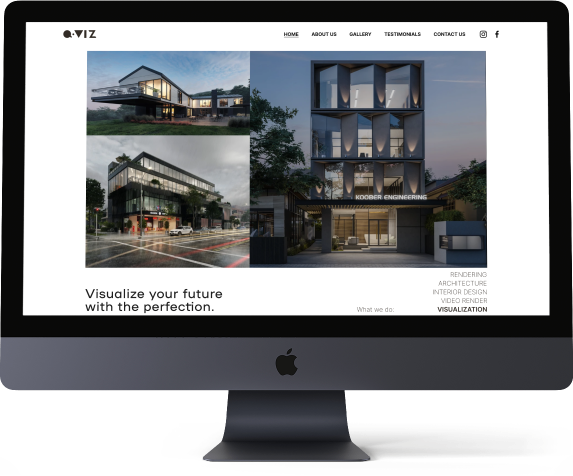
As a UI/UX designer, I was responsible for designing the website for QVIZ Render Studio, a leading visual effects and animation studio specializing in photorealistic 3D rendering. The goal of the project was to create an engaging and visually appealing website that would showcase the studio's portfolio, services, and expertise while providing an intuitive and seamless user experience for visitors.
Key Responsibilities:
User Research: Conducted extensive research to understand the target audience, their preferences, and expectations when visiting a visual effects and animation studio's website.
Wireframing and Prototyping: Created wireframes and interactive prototypes to establish the website's layout, navigation, and user flow, ensuring smooth and logical interactions.Visual Design: Developed the website's visual design, including the color palette, typography, imagery, and other visual elements, to create a cohesive and aesthetically pleasing look and feel.
Information Architecture: Organized and structured the website's content in a user-friendly manner, ensuring easy navigation and accessibility to key information.
UX/UI Patterns and Best Practices: Applied industry-standard UX/UI design patterns and best practices to create an intuitive and user-friendly website, optimized for a seamless user experience.
Responsive Design: Ensured that the website was designed responsively to provide an optimal viewing experience across different devices, including desktops, tablets, and mobile devices.
Collaboration and Communication: Worked closely with the QVIZ Render Studio team to gather requirements, incorporate feedback, and ensure that the website aligned with the studio's brand identity and business objectives.
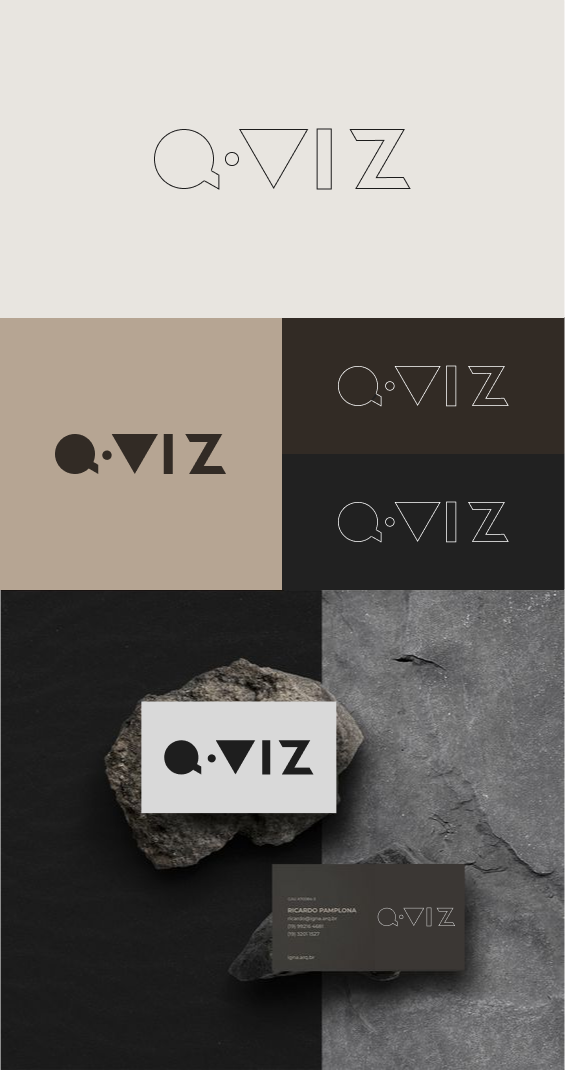
Branding + logo:
Results:
The final UI/UX website design for QVIZ Render Studio resulted in a visually appealing, user-friendly, and responsive website that effectively showcased the studio's portfolio, services, and expertise. The website received positive feedback from users, improved the studio's online presence, and helped attract new clients and business opportunities.
The design process typically involves several stages, which may vary depending on the project's scope and complexity. Here's a general overview of the design process:
It's important to note that the design process is often iterative and cyclical, with stages overlapping and evolving throughout the project. Flexibility, adaptability, and collaboration are key components of a successful design process.
.png)



It's important to note that the design process is often iterative and cyclical, with stages overlapping and evolving throughout the project. Flexibility, adaptability, and collaboration are key components of a successful design process.